For many people, diet and exercise alone are simply not enough to combat chronic obesity. When traditional methods fail, the medical community often points toward bariatric surgery. However, the fear of major incisions and long recovery times can be a massive deterrent. This is where minimally invasive weight loss surgery comes into play.
It bridges the gap between lifestyle changes and major operation, offering a powerful solution without the scars. At Palm Med Wellness, we specialize in advanced procedures that prioritize your comfort and safety while delivering life-changing results.

Key Takeaways
- No Incisions: Procedures like Endoscopic Sleeve Gastroplasty (ESG) are performed entirely through the mouth, leaving no external scars.
- Faster Recovery: Most patients return to their normal routines within a few days rather than weeks.
- Preserves Anatomy: Unlike gastric bypass, these procedures reshape the stomach without cutting or removing parts of it.
- Effective Weight Loss: Patients can expect significant weight reduction when combined with lifestyle changes.
- Professional Support: Success requires a dedicated team for nutritional and behavioral guidance.
Who Is This For? The Primary Uses

The landscape of weight management has changed drastically in the last decade. Minimally invasive weight loss surgery is primarily designed for adults who have struggled with obesity for years but do not qualify for, or simply do not want, traditional bariatric surgery like a gastric bypass or a sleeve gastrectomy.
Typically, candidates for these procedures have a Body Mass Index (BMI) between 30 and 40. They are often individuals who have tried every diet under the sun, from Keto to intermittent fasting, only to see the weight return. This medical intervention is also used to treat comorbidities associated with obesity. By reducing body weight, patients often see vast improvements in conditions such as type 2 diabetes, hypertension, sleep apnea, and joint pain.
It is important to note that this is not a cosmetic quick fix. It is a medical tool intended for those committed to a long-term health journey. The procedure works best for patients who need a significant "reset" button to help them control portion sizes and reduce hunger cues, allowing them to finally benefit from the lifestyle changes they are trying to implement.
The Major Benefits of Going Minimally Invasive

The advantages of choosing minimally invasive weight loss surgery over traditional open or laparoscopic surgery are profound. The most obvious benefit is the lack of external incisions. Because procedures like the Endoscopic Sleeve Gastroplasty (ESG) are performed using an endoscope inserted down the throat, there is no cutting of the abdominal muscles or skin. This means there are no visible scars to hide later.
Recovery time is another massive factor. Traditional surgeries often require hospital stays and weeks of downtime. In contrast, minimally invasive weight loss surgery is typically an outpatient procedure. Most patients go home the same day and can return to work or light activities within two to three days. This appeals to busy professionals and parents who cannot afford to be bedridden for weeks.
Furthermore, the physiological impact is less traumatic. The stomach is reshaped and sutured to reduce its volume, but it is not removed or rerouted. This preserves the natural anatomy of the digestive system, which reduces the risk of long-term nutritional deficiencies often seen in bypass patients. You get the restriction needed to feel full faster without permanently altering your digestive tract's ability to absorb nutrients.
Understanding the Risks and Challenges
While minimally invasive weight loss surgery is safer than traditional bariatric operations, it is still a medical procedure that carries certain risks. It is vital to enter this journey with open eyes.
Common side effects in the immediate aftermath include nausea, abdominal pain, and vomiting. These are usually temporary and managed with medication in the first few days as the stomach adjusts to its new shape. There is also a small risk of bleeding or leakage at the suture site, though this is rare when performed by an experienced specialist.
A unique challenge of this approach is that it relies heavily on the patient's commitment to behavioral change. The surgery restricts how much you can eat, but it does not physically prevent you from eating high-calorie liquids or soft foods that can sabotage weight loss.
If a patient continues to consume high-sugar milkshakes or ice cream, they can override the restriction. Therefore, the "risk" here is less about the surgery failing and more about the patient needing to do the internal work to change their relationship with food.
The Process of Minimally Invasive Surgery: From Consultation to Recovery

The journey toward minimally invasive weight loss surgery is structured to ensure safety and success at every step. It begins with a comprehensive consultation. At this stage, your medical history is reviewed, and your BMI is calculated to determine if you are a suitable candidate. This is also when you will discuss your weight loss goals and history of dieting with the physician.
Pre-Procedure Preparation
Once approved, you will likely undergo some pre-operative testing, such as blood work or an EKG, to ensure your body is ready for sedation. You may also be placed on a specific pre-op diet to prepare your stomach and liver for the procedure.
The Procedure
On the day of the surgery, you will be placed under general anesthesia. The doctor uses an endoscope, a flexible tube with a camera and suturing device attached, and guides it down the esophagus into the stomach. For an ESG, the physician places a series of sutures in the stomach wall, pulling it in like an accordion.
This reduces the stomach's capacity by approximately 70% to 80% and alters its shape into a narrow tube or sleeve. The entire process usually takes about 60 to 90 minutes.

Post-Procedure and Recovery
You will wake up in a recovery area and be monitored for a few hours. Once you are alert and comfortable, you can go home. The first few days will involve a liquid-only diet to allow the stomach to heal. You will gradually transition to pureed foods, then soft foods, and finally back to solids over a period of a few weeks. Many patients complement their recovery with IV therapy for weight loss to restore vitamins and protect lean muscle. Throughout this time, regular check-ins with your medical team ensure you are healing correctly and hitting your nutritional markers.
Why Choose Palm Med Wellness for Minimally Invasive Surgery?
When it comes to something as critical as your health, the provider you choose matters immensely. Palm Med Wellness is a leader in the field of minimally invasive weight loss surgery, specifically Endoscopic Sleeve Gastroplasty (ESG).
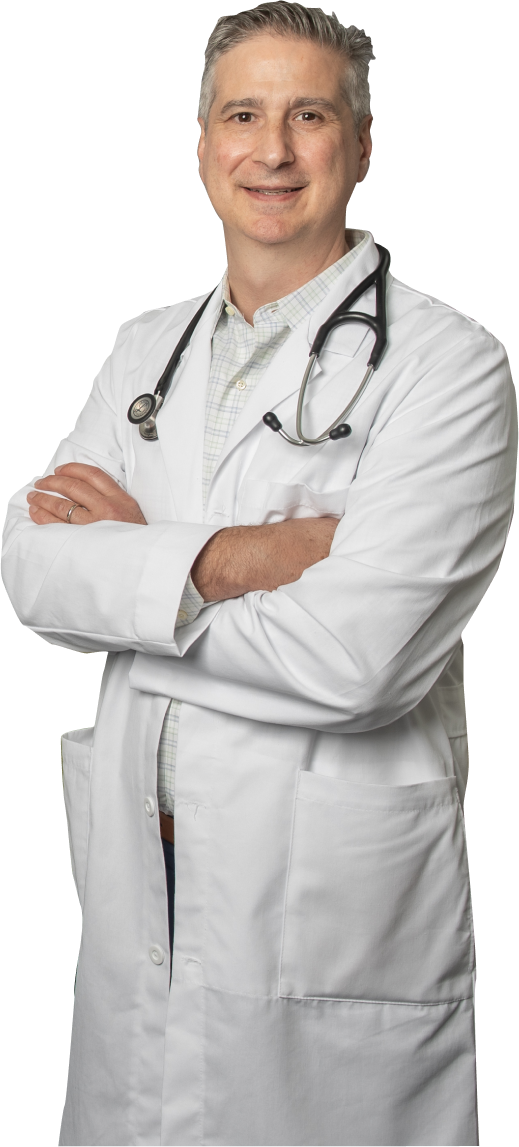
We are proud to have Dr. Mark Amorosino, a preferred physician for this procedure through Boston Scientific's Endura Weight Loss program. His expertise ensures that you are in safe, capable hands. Unlike high-volume surgical centers where you might feel like just a number, Palm Med Wellness adopts a boutique, patient-centered approach. We understand that surgery is just one tool in the toolbox.
Our program is comprehensive. We do not just perform the procedure and send you on your way. We integrate the surgery with robust nutritional counseling and lifestyle support. We know that the key to long-term success lies in what happens after the procedure.
Our team is dedicated to guiding you through the dietary transitions and helping you build the habits necessary to maintain your weight loss for life. We offer a judgment-free environment where your goals are our priority. If you are looking for a safe, effective, and non-surgical path to a healthier you, Palm Med Wellness is the partner you need.
Frequently Asked Questions
How Much Weight Can I Expect to Lose?
Most patients lose between 15% and 20% of their total body weight within the first year following minimally invasive weight loss surgery. Results depend heavily on adherence to the recommended diet and lifestyle changes post-procedure.
Is the Procedure Reversible?
Procedures like Endoscopic Sleeve Gastroplasty (ESG) are considered durable and non-reversible in the sense that the sutures are permanent. However, because no part of the stomach is cut away or removed, it can be converted to other bariatric surgeries later if strictly necessary.
Will My Insurance Cover This Surgery?
Coverage varies significantly by provider and plan. While many insurance companies are beginning to recognize the value of these procedures, some still classify them as elective. It is best to contact our office so we can help you verify your benefits or discuss financing options.
How Soon Can I Return to Work?
One of the biggest advantages of minimally invasive weight loss surgery is the downtime. Most patients are back to work within 2 to 4 days, assuming their job does not involve heavy physical lifting.
Will I Have a Lot of Loose Skin Afterward?
Because the weight loss with ESG is often more gradual than with gastric bypass, the skin has more time to retract. However, genetics and age play a significant role. While some loose skin is possible with significant weight loss, it is generally less severe than with more rapid surgical methods.
Final Words
Taking control of your health is a courageous decision. For those who have felt stuck between the ineffectiveness of dieting and the intimidation of major surgery, minimally invasive weight loss surgery offers a perfect middle ground. It provides the physical restriction needed to curb hunger and reduce portion sizes without the trauma of external incisions.
At Palm Med Wellness, we are committed to helping you achieve the version of yourself you have always envisioned. With faster recovery times, lower risks, and the guidance of expert physicians like Dr. Amorosino, you can look forward to a future defined by health and vitality rather than weight struggles. If you are ready to explore this life-changing option, we invite you to reach out and start the conversation today.