Most people think the hard part is the session itself. In reality, what you do in the hours after your IV drip determines how much of it your body actually keeps.
IV therapy delivers nutrients, fluids, and vitamins directly into your bloodstream, bypassing digestion entirely for near-complete absorption. That is its biggest advantage. But it also means that a handful of careless choices right after treatment can blunt those results before your body has had a chance to use them. Below are the key IV drip aftercare instructions to follow, and the mistakes to stop making.
1. Removing the Bandage Too Soon
The IV needle leaves a small puncture that stays open as a direct pathway into your bloodstream until it seals. Pull the bandage off too early and you expose that site to bacteria before the tissue has closed.
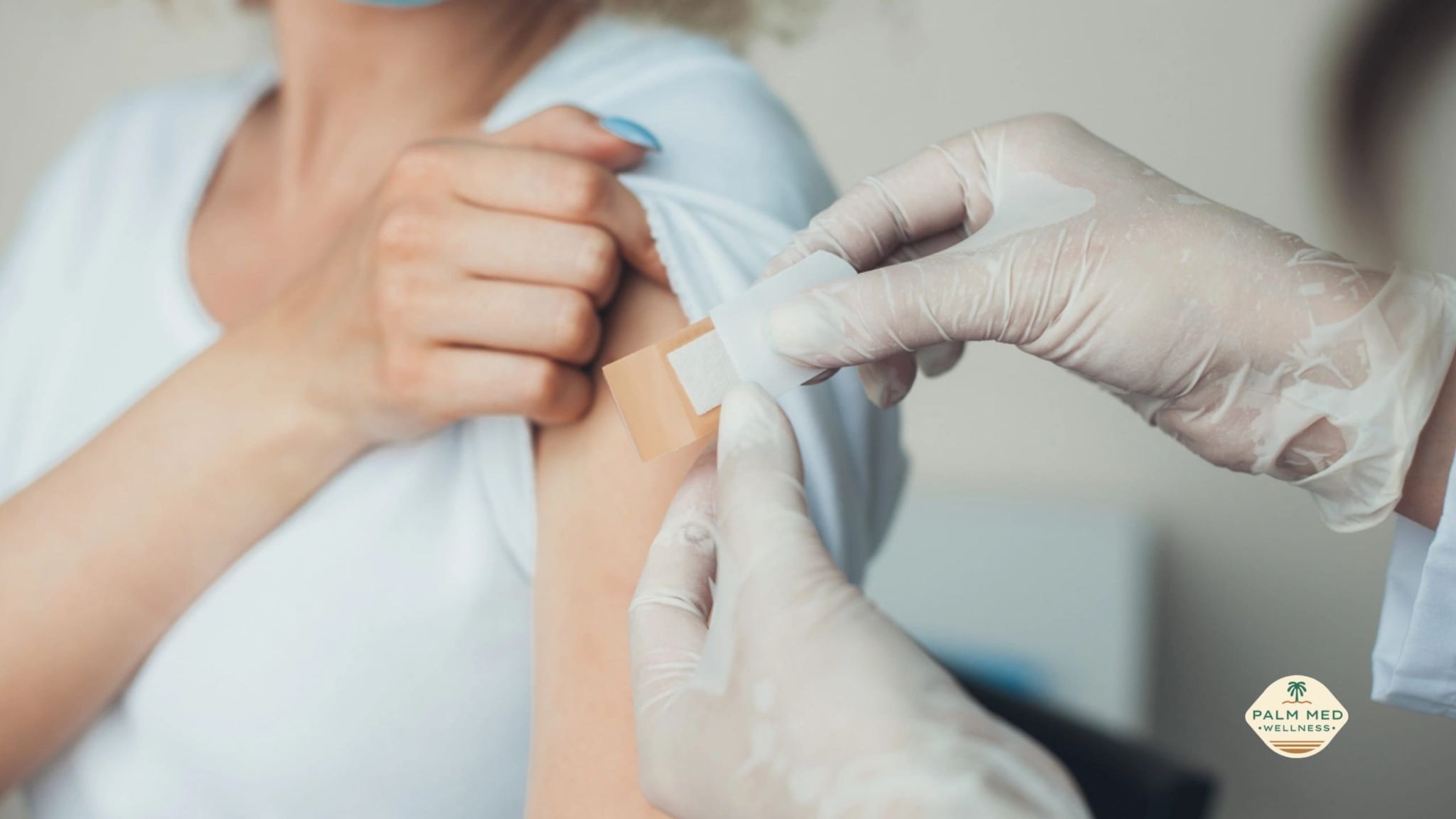
Leave the pressure dressing on for at least one to two hours after your drip ends. If there is still any bleeding or oozing when you check it, re-cover with clean gauze and wait. Once the bandage is off, keep the area clean and dry and skip any lotions, perfumes, or topical products over the puncture for the rest of the day.
2. Soaking the Insertion Site in Water
Showering is fine as long as you keep the puncture site protected. What to avoid for at least 24 hours: baths, hot tubs, pools, and open water. Standing water introduces bacteria directly into a healing wound.
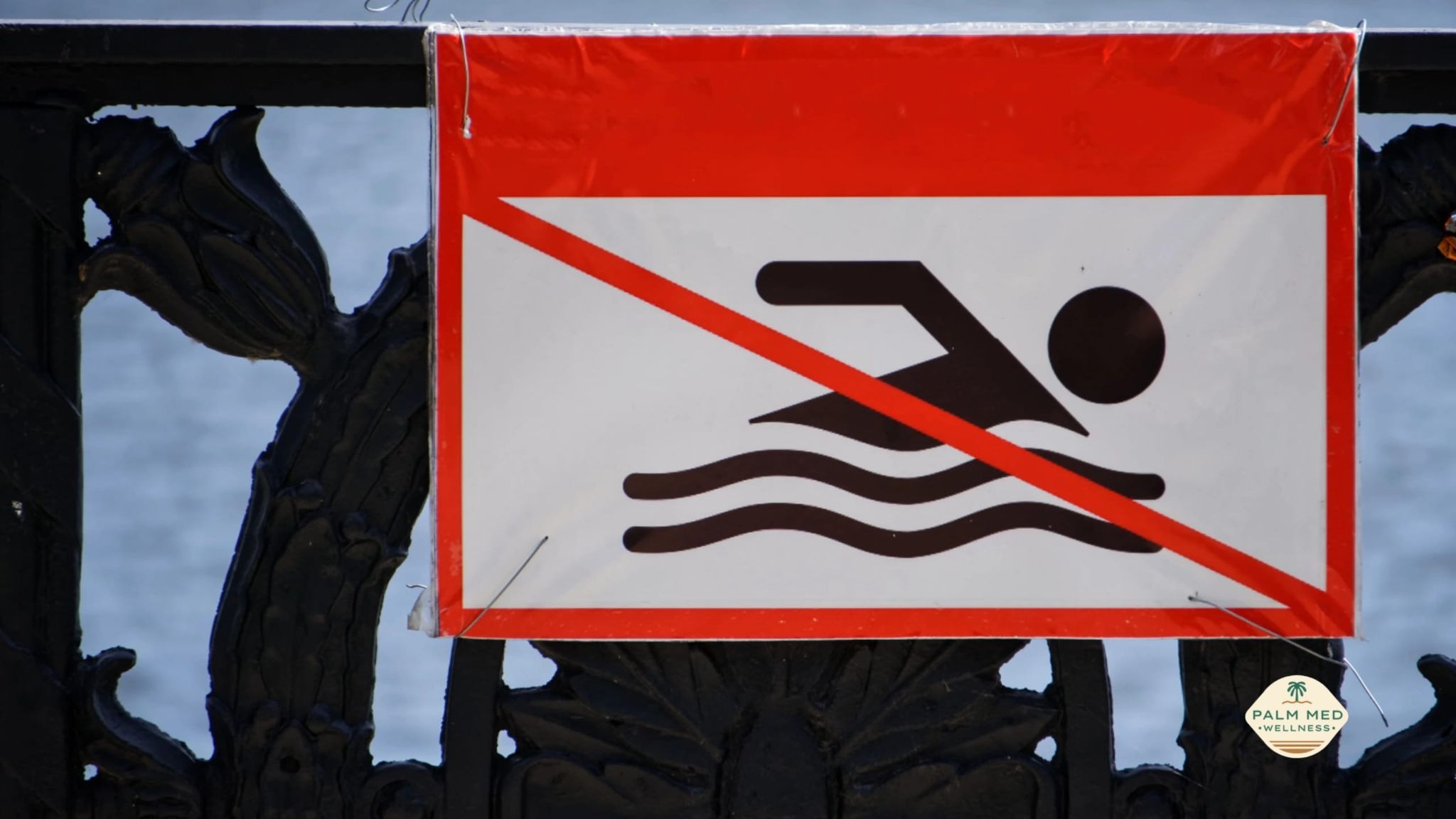
A sign displaying "No Swimming" with a clear red circle and line through a swimmer icon.
Saunas and steam rooms carry the same infection risk, with the added problem of heat-driven vasodilation that increases fluid loss through sweat, partially reversing the hydration your infusion just restored.
If you shower, keep the water temperature moderate and avoid pointing the stream directly at the dressing. A damp or loose bandage should be swapped for a clean, dry one.
3. Drinking Alcohol Within 24 Hours
Alcohol is a diuretic. After an IV drip, it accelerates exactly the fluid loss your treatment was designed to correct. It also forces your liver to prioritize processing ethanol over circulating the vitamins and minerals from your infusion.
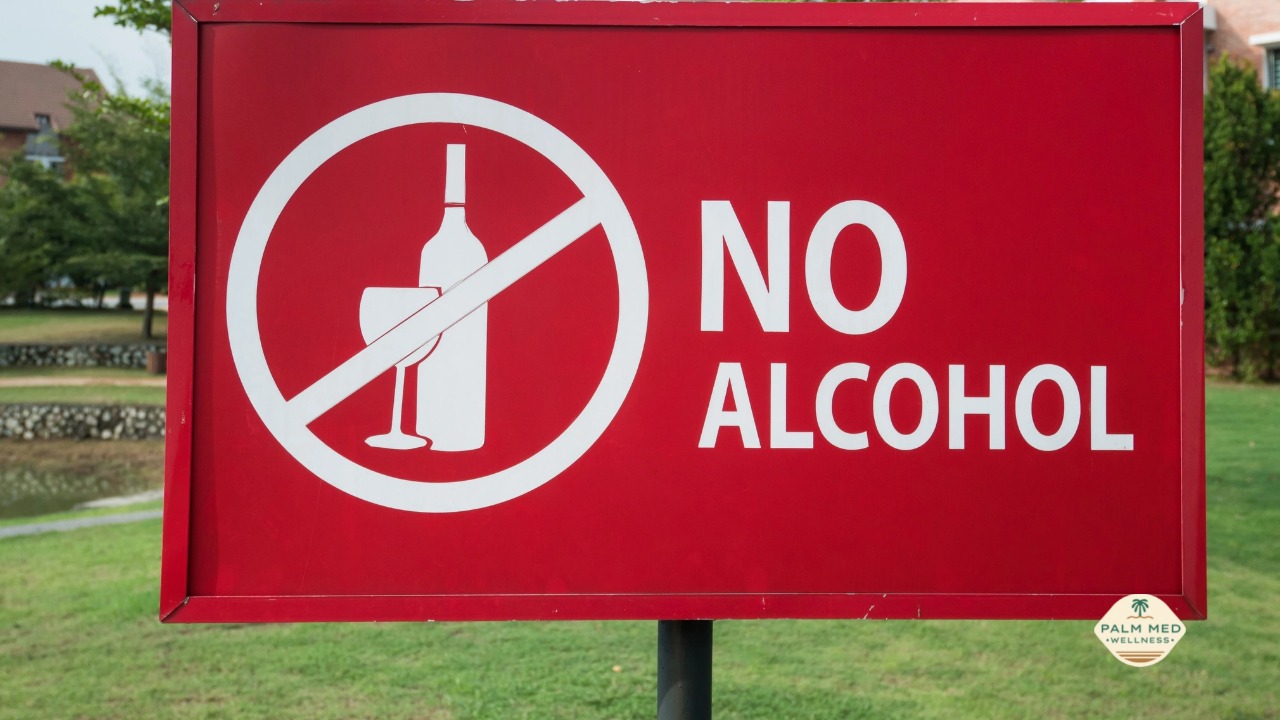
Wait at least 24 hours before drinking. For patients who came in for hangover recovery IV therapy, this is especially critical. Drinking again immediately restarts the depletion cycle the treatment just reversed.
4. Overdoing Caffeine
Caffeine has mild diuretic properties and can chip away at your hydration results if you overdo it right after treatment.
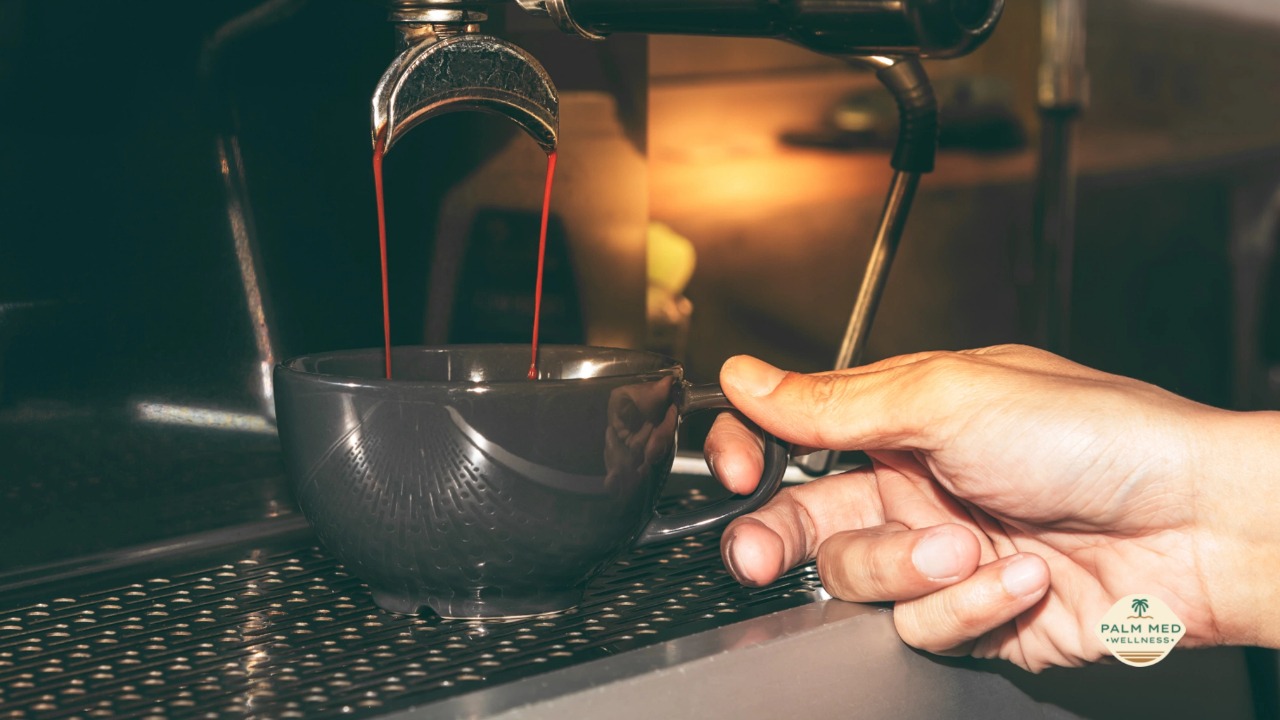
You do not need to cut it out entirely, but keep your intake moderate for the rest of the day and pair any caffeinated drink with water to maintain the fluid balance your drip restored.
5. Taking Your Full Supplement Stack the Same Day
This is one of the most overlooked things to avoid after IV therapy. IV infusions deliver nutrients at concentrations that far exceed what oral supplements achieve. Stacking your regular vitamins on top of that can push certain nutrients to excessive levels.
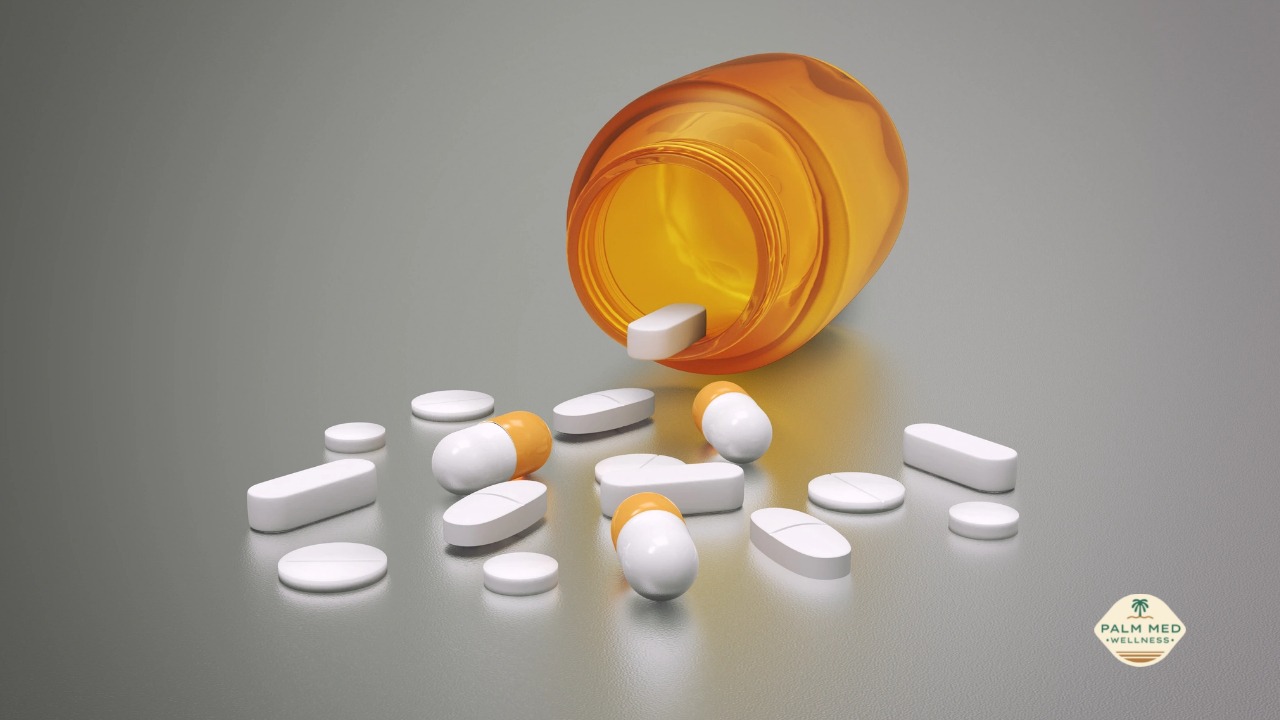
Fat-soluble vitamins (A, D, E, and K) are the main concern. Unlike water-soluble vitamins, they accumulate in your tissues rather than being flushed out. If your infusion included a vitamin or mineral blend, skip oral supplements for that day and ask your provider when to resume them. This is particularly important for infusions containing high-dose vitamin C, B-complex, or magnesium.
6. Exercising Intensely After Your Session
Can you exercise after an IV drip? Light movement like walking or gentle stretching is completely fine. Intense exercise is not. High-intensity workouts increase sweating, accelerate fluid loss, and divert blood flow away from the absorption processes your body is actively running post-infusion. Hard exercise also raises venous pressure, which can reopen the puncture site and cause bruising.
A good rule: rest for a few hours and skip anything that significantly elevates your heart rate for the remainder of the day. If your session was specifically for athletic recovery, your body is already depleted, and stacking physical stress on top of that slows recovery, not speeds it up.
7. Ignoring Warning Signs at the Insertion Site
Some tenderness or light bruising at the puncture site is normal. These symptoms are not:
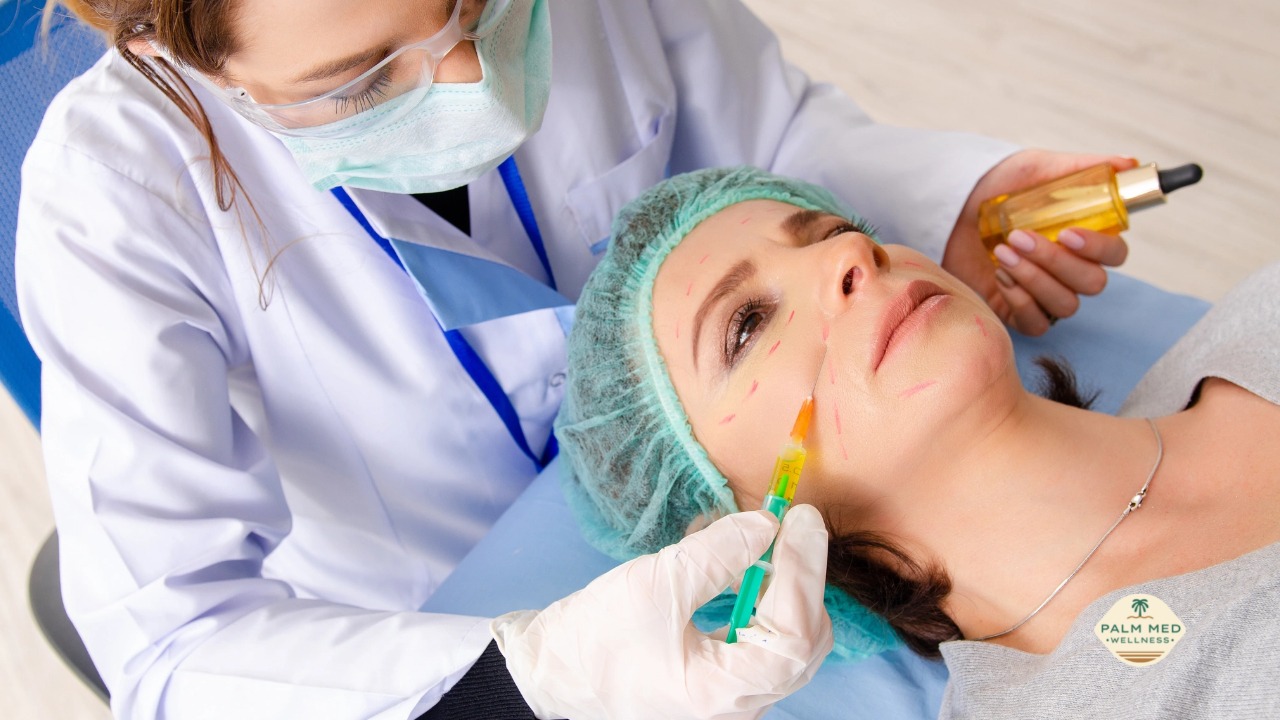
Phlebitis (vein inflammation) typically appears within one to two days. Signs include redness, warmth, tenderness, and swelling along the path of the vein, sometimes with a firm, cord-like feeling under the skin. It needs prompt attention from your provider.
Infection usually develops two to three days later. Look for pus or discharge, redness that spreads outward, worsening pain, and warmth. A fever in the days following IV therapy without another obvious cause is also a red flag.
If any of these develop, contact your provider the same day. Do not wait.
8. Eating Processed or High-Sodium Foods Right After
Your body is in absorption mode after an IV session, and what you eat either supports or disrupts that process. High-sodium foods draw water out of cells and throw off fluid balance. Refined sugar interferes with how your body processes B vitamins and magnesium.

Ultra-processed foods lack the co-factors your cells need to put IV-delivered nutrients to work.
Within a couple of hours of treatment, aim for a balanced meal with protein, complex carbs, and healthy fat. Do not undo a good session with a bad meal.
9. Skipping Follow-Up Sessions When on a Schedule
IV therapy builds on itself. If you are using IV therapy aftercare as part of an ongoing wellness or weight management plan, inconsistent sessions break the compounding benefit that makes the treatment effective over time. Patients using IV drips alongside a medical weight loss program in particular see better outcomes when they stay consistent with their provider-recommended cadence.
Special Note: Iron Infusions Require Extra Caution
Iron infusions carry a higher risk of allergic and delayed reactions than standard wellness drips. Your provider should monitor you for at least 30 minutes after the infusion ends. If you feel lightheaded or flushed during that window, say so immediately.
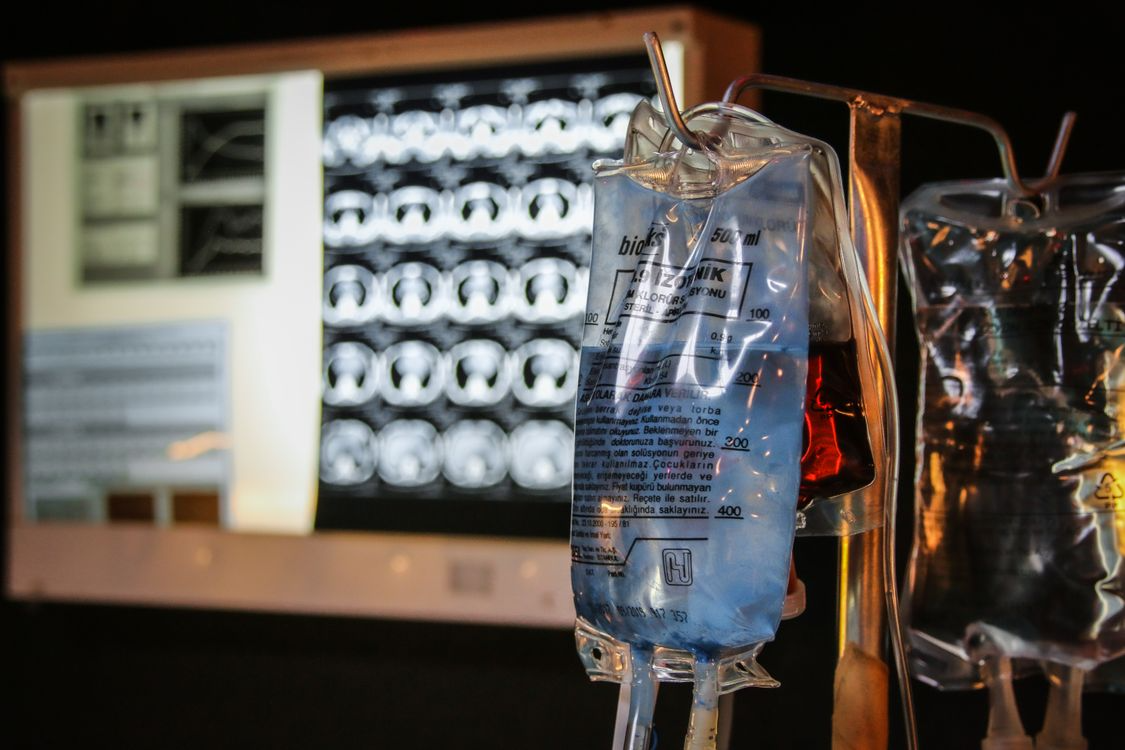
In the 24 to 48 hours after, mild side effects like headache, nausea, muscle aches, or a metallic taste are common. What warrants a call to your provider: joint pain, chest tightness, difficulty breathing, or swelling that develops after you leave. Keep notes on symptoms so you can describe them accurately.
What You Should Actually Do After IV Therapy
Good IV drip aftercare does not need to be complicated. Drink water consistently throughout the day, eat a balanced meal, and rest if your body is asking for it. Keep the puncture site clean and visible so you can monitor it. Wear a loose sleeve rather than tight compression over the area.
The National Institutes of Health has established that proper hydration is fundamental to cellular function, and your post-treatment habits directly extend the benefit of your infusion. According to MedlinePlus, maintaining fluid and electrolyte balance is essential for organ function, which is exactly what the right aftercare protects.
If you are new to treatment and want to understand what to expect, our FAQ is a good starting point. If you have questions about your specific infusion formula or after IV drip care, the team at Palm Med Wellness is here to guide you. Every session is administered under physician supervision, with aftercare instructions tailored to your formula.
Frequently Asked Questions
What Should I Avoid Before IV Insertion?
Avoid caffeine, alcohol, and strenuous exercise in the two hours before your session. Drink at least two large glasses of water beforehand, eat a light meal, and let your provider know about any medications or supplements you are taking.
Do I Need an IV Drip?
It depends on your goals and health status. IV therapy is particularly useful for people dealing with dehydration, fatigue, nutrient deficiencies, or recovery after illness or intense physical activity. A licensed provider can tell you whether it makes sense for your situation.
What Should I Do After an IV Drip?
Drink water consistently, eat a balanced meal, and rest. Keep the insertion site clean and bandaged for at least one to two hours, and avoid alcohol, intense exercise, and soaking in water for the rest of the day.
How Do I Avoid Complications After IV Therapy?
To avoid complications after IV therapy, choose a physician-supervised clinic, disclose your full medication and supplement list before treatment, and follow site care instructions carefully. Keep the puncture area clean and dry, monitor it over the next 48 hours, and contact your provider promptly if you notice redness, swelling, or discharge.