
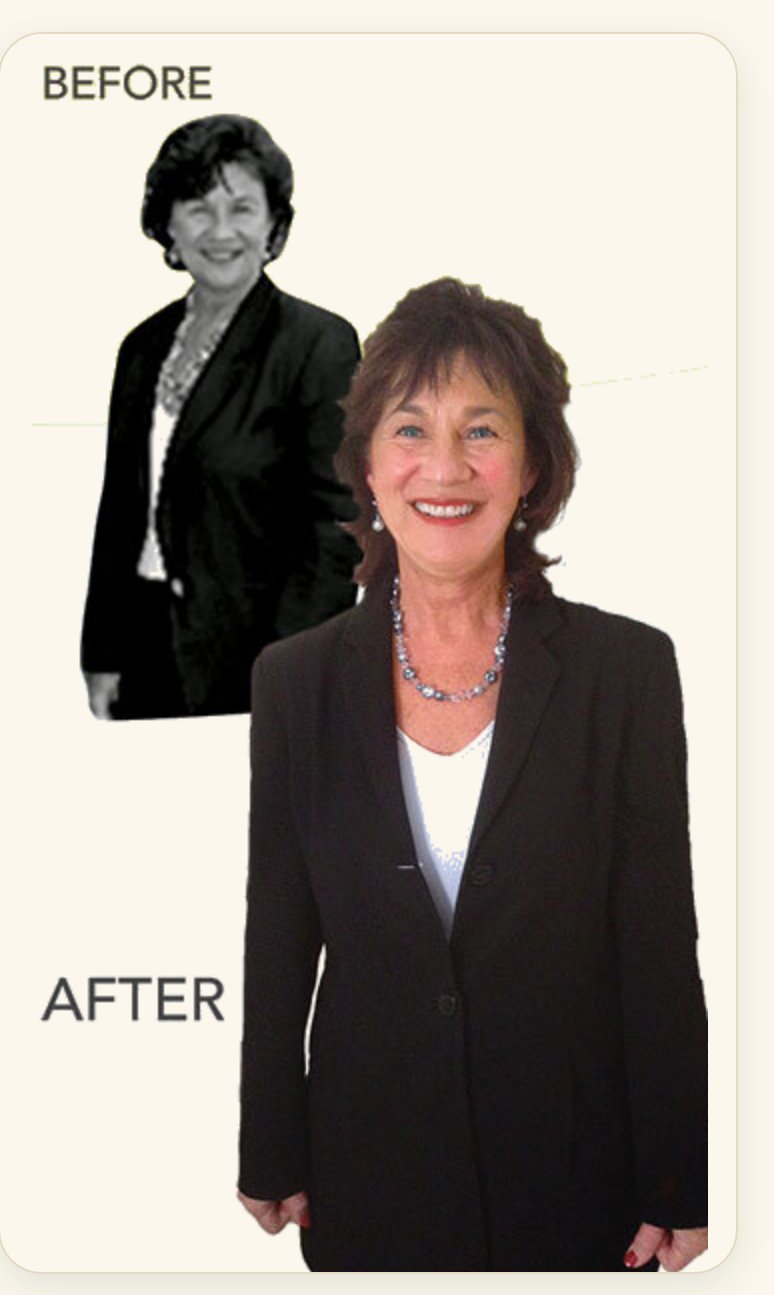
Most people who come to Palm Med Wellness haven't run out of willpower. They've run out of time.
Eileen sells real estate in Palm Beach Gardens — a job with no reliable lunch break and no predictable evening. Every plan she'd considered assumed a kind of schedule she doesn't have.
Twelve weeks later she was 30 pounds lighter, and off some of the medication she'd been taking.
"I don't have time" is a structural problem, not an excuse
When a weight loss plan fails, the reason is usually structural rather than motivational. An unpredictable schedule does three specific things.
It makes eating reactive. Meals happen when a gap appears rather than when the body expects them, and the food available in that gap is whatever is nearest.
It pushes intake late. People who skip or delay meals during the day tend to eat more in the evening. The same calories eaten late tend to produce worse metabolic outcomes than eaten earlier.
It exhausts decision-making. Someone making judgement calls all day has less capacity left for food decisions by the time the day ends. That is a well-documented pattern, not a character flaw.
A plan that ignores all three isn't wrong so much as built for a different person.
Why provided food changes the maths
This is the part Eileen names first, and it's worth explaining why it works clinically rather than just conveniently.
Provided meals remove the decision, not only the cooking. What to eat, how much, and when are settled in advance — which removes the single most common point of failure for someone whose day can't be predicted.
It also makes intake measurable. When the food is defined, a plateau can be investigated properly, because the input is known rather than estimated. That matters more than it sounds: most stalls are diagnosable, but only if you can trust the numbers going in.
What it means to come off a medication
Weight loss changes what the body needs. Blood pressure falls, blood sugar improves, and a dose that was correct at a higher weight can become too much at a lower one.
Reducing or stopping a medication is a clinical decision, made by the prescribing physician on the basis of repeated measurement — never something a patient should do because they feel better. Feeling better is what the medication is for.
What a supervised programme adds here is monitoring: someone checking the numbers as they move, and adjusting rather than waiting for a problem.
Reduced
Blood pressure, medications, sugar levels, waist size
Improved
Sleep, mobility, confidence, energy levels
Eileen's plan was built for Eileen — around a diary she doesn't control. Every plan at Palm Med Wellness is built individually: coaching, medication, provided meals and exercise planning, combined according to what each patient needs. No two of these patients followed the same programme.
It starts with a full evaluation by Dr. Mark Amorosino, who is board certified in both gastroenterology and obesity medicine. See how the programme works, or book a consultation.
More patient stories: Robert — 80 pounds around twelve-hour shifts · Kim — 36 pounds and six waist sizes · All success stories

Dr. Mark Amorosino is the Medical Director of Palm Med Wellness and one of the nation’s leading experts in obesity medicine. He has helped thousands of patients achieve lasting weight loss results. His approach blends advanced medical expertise with compassionate, patient-centered care, giving you the confidence that your health is in the best hands. One of a few board-certified obesity medicine physicians in Palm Beach County.