For millions of people, the journey to a healthier weight feels like an endless, frustrating loop. You try the latest trend, cut your calories, and maybe lose a few pounds initially. However, you almost always see them return as soon as your motivation dips. This cycle often boils down to a fundamental misunderstanding of the battle you are fighting.
It is rarely just about willpower; it is usually about biology. Many people blame themselves for failing, not realizing their body is fighting against them. Today, we are diving deep into medical weight loss vs regular dieting to uncover the truth. We will explore why professional intervention is often the missing link to sustainable success.

Key Takeaways
- Biological Reset: Medical weight loss targets the root metabolic causes of weight gain, effectively quieting "food noise" while traditional dieting often battles against your body's natural survival mechanisms.
- Expert Supervision: Continuous monitoring by healthcare professionals ensures that weight loss comes from fat rather than muscle, prioritizing safety and mitigating side effects in a way DIY dieting cannot.
- Holistic Integration: Unlike "prescription mills" that only dispense drugs, Palm Med Wellness combines clinical treatment with behavioral coaching to ensure habits change alongside biology.
- Tailored Precision: Treatments are customized to your specific metabolic profile and medical history, offering a superior alternative to the trial-and-error approach of generic commercial diets.
- Sustainable Maintenance: By resetting the body’s metabolic set point and building long-term habits, this approach focuses on lifelong health rather than the temporary results often seen with yo-yo dieting.
- Motivation through Results: The combination of medical intervention and structured plans often leads to faster initial weight loss, providing the psychological momentum needed to stick with the program.
The Complex Landscape of Modern Weight Loss Options
In the contemporary health and wellness sphere, the landscape of weight loss has expanded into a vast, often bewildering territory. For the average individual looking to improve their health or shed body fat, the sheer volume of available options is enough to induce a state of paralysis. We live in an era where social media feeds are inundated with conflicting advice: influencers promoting the high-fat tenets of the Keto diet clash with advocates of plant-based veganism, while proponents of intermittent fasting debate with those who swear by six small meals a day.

This abundance of choice, while theoretically beneficial, often creates a paradox. Instead of feeling empowered, many people feel confused and skeptical. Every method claims to be the "magic bullet," yet obesity rates continue to rise globally. The fundamental challenge lies in distinguishing between marketing hype and physiological reality.
The journey to a healthier weight is no longer just about "eating less and moving more"; it has evolved into a complex decision-making process involving metabolic health, hormonal balance, psychological relationships with food, and lifestyle sustainability. Understanding the distinct paths available: specifically the divide between traditional self-directed dieting and modern medical intervention, is the first crucial step in navigating this crowded marketplace.
Normal Dieting: Benefits and Challenges

"Normal dieting" refers to the traditional, self-directed approach to weight management that has been the standard for decades. This encompasses everything from commercial programs like Weight Watchers or Noom to independent calorie counting, macronutrient tracking, and intuitive eating. At its core, normal dieting relies on the energy balance equation: burning more calories than one consumes to induce a caloric deficit.
This approach views weight loss primarily as a behavioral and educational challenge. The premise is that if you can educate yourself on what to eat and discipline yourself to stick to those parameters, the weight will come off. It is the "do-it-yourself" model of health, placing the steering wheel firmly in the hands of the individual. For generations, this was the only real option available, and for many, it remains the starting point of their weight loss journey.
The Benefits of Normal Dieting

The most significant benefit of normal dieting is its universal accessibility and the sense of autonomy it provides. There are no barriers to entry; anyone can decide to start eating better at their next meal. You do not need health insurance, a prescription, or a doctor's referral to download a calorie-tracking app or choose a salad over a burger. This independence allows individuals to experiment with different nutritional philosophies to find what suits their palate and lifestyle best.
Furthermore, traditional dieting serves as a powerful educational tool. When an individual commits to tracking their food intake, they often gain a profound understanding of nutrition that they previously lacked. They learn to identify hidden sugars, understand the density of carbohydrates versus proteins, and recognize what a proper portion size actually looks like. This nutritional literacy is invaluable. Even if the diet itself changes, the knowledge gained about food composition remains a lifelong asset.
For those who are generally metabolically healthy and only need to lose a small amount of weight, perhaps 10 to 15 pounds for an upcoming event or after a holiday season, normal dieting is often the most practical, cost-effective, and logical solution. It encourages the development of willpower and can instill a strong sense of personal achievement when goals are met solely through self-discipline.
The Demerits and Challenges of Normal Dieting

Despite its popularity, traditional dieting is fraught with significant challenges and a dishearteningly high failure rate. The primary flaw in this approach is that it treats weight purely as a math problem, ignoring the complex biology of the human body. When you drastically cut calories, the body’s evolutionary survival mechanisms kick in. Metabolic adaptation occurs, meaning your body becomes more efficient at using energy, effectively slowing down your metabolism to preserve fat stores. This is why many dieters hit a frustrating plateau where the scale refuses to budge despite their strict adherence to the plan.
Additionally, the psychological toll of normal dieting can be severe. It relies almost exclusively on willpower, which is a finite resource. Fighting against biological hunger cues, driven by hormones like ghrelin, is a battle most people eventually lose. For those who have exhausted traditional approaches, minimally invasive weight loss surgery offers a clinically proven alternative. This often leads to the "yo-yo effect" or weight cycling. An individual might lose 20 pounds through sheer grit, only to regain 25 pounds once the diet ends because the underlying biological drivers of their appetite were never addressed.
- Nutritional Deficiencies: Without professional guidance, DIY dieters often cut out entire food groups, leading to a lack of essential vitamins and minerals.
- Eating Disorders: Obsessive counting and restriction can trigger orthorexia or binge-eating disorders, creating an unhealthy relationship with food.
- The "Food Noise" Factor: Normal dieting does nothing to silence "food noise", the constant, intrusive thoughts about food that many people struggle with, making adherence a daily mental struggle.
Medical Weight Loss: Benefits and Challenges
Medical weight loss represents a paradigm shift in how we treat obesity and weight management. It moves away from the "willpower" model and embraces a "healthcare" model. This approach acknowledges that for many people, being overweight is not a character flaw or a failure of discipline, but a complex metabolic condition that requires medical intervention.
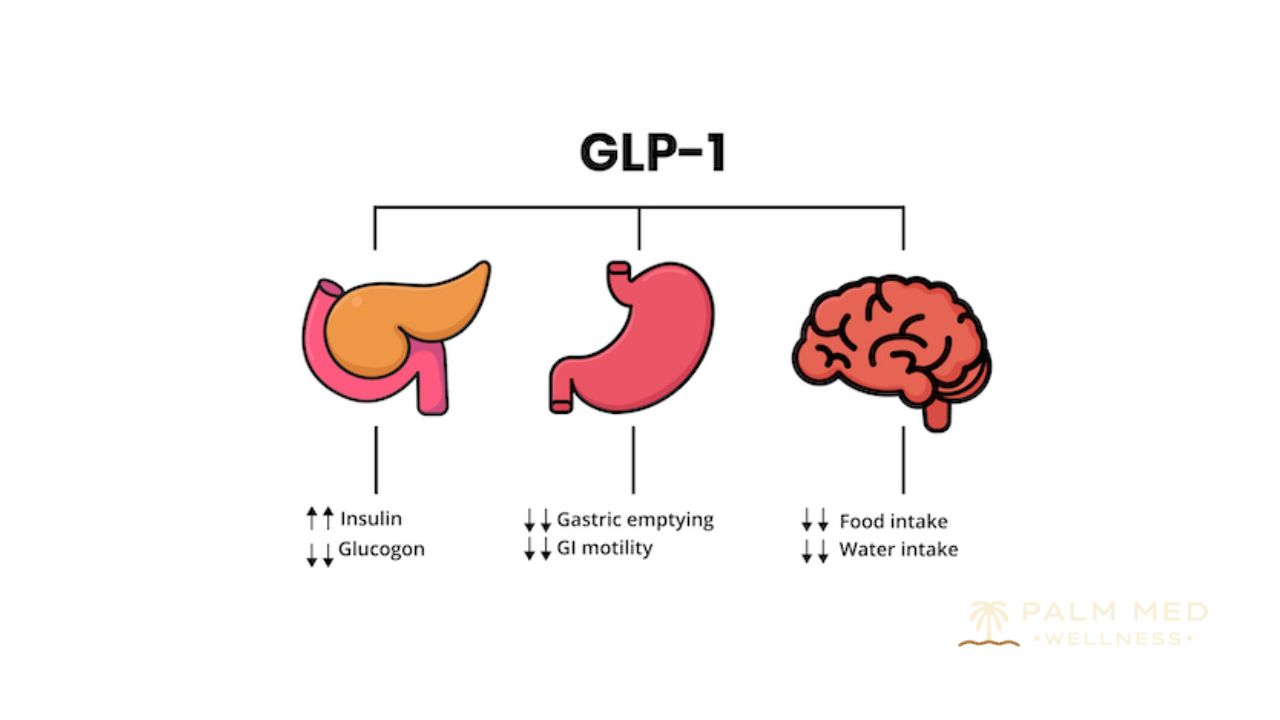
This method involves a comprehensive program supervised by physicians or nurse practitioners. It combines the latest scientific advancements, most notably FDA-approved medications like GLP-1 agonists (such as Semaglutide or Tirzepatide), with detailed metabolic testing, nutritional counseling, and continuous monitoring. It is a clinical strategy designed to optimize the body’s internal environment to favor weight loss.
Medication is only one of the tools, too. To see how structured nutrition, GLP-1s, and procedures like ESG can be used together as your needs change, read our guide to combining nutrition, GLP-1s, and ESG.
The Benefits of Medical Weight Loss
The advantages of medical weight loss are profound, particularly for those who have spent years cycling through failed diets. The most immediate benefit is the biological support provided by modern medications. These treatments work by mimicking natural hormones that regulate appetite and digestion. They signal to the brain that the body is full, effectively turning down the volume on hunger and cravings.
- Reduction of "Food Noise": One of the most cited benefits is the quietening of intrusive thoughts about food. Patients often report feeling "normal" for the first time, able to look at food without an uncontrollable urge to consume it.
- Preservation of Lean Muscle: Medical supervision often includes body composition monitoring to ensure that weight loss comes from fat stores rather than muscle tissue, which is crucial for long-term metabolic health.
- Metabolic Reset: These programs can help improve insulin sensitivity and regulate blood sugar levels, addressing the root hormonal causes of weight gain rather than just the symptom.
- Higher Success Rates: Statistically, medical weight loss programs result in significantly greater total weight loss compared to lifestyle interventions alone, with many patients achieving 15% to 20% body weight reduction.
.jpg)
The Demerits and Challenges
However, medical weight loss is not without its hurdles. The most obvious barrier is cost and accessibility. Unlike a diet book you can buy for twenty dollars, medical weight loss involves consultation fees, lab work costs, and the price of medications, which can be substantial if not covered by insurance. This financial aspect makes it inaccessible for some demographics, turning health into a privilege.
There is also the challenge of side effects. Powerful medications alter body chemistry, and while they are generally safe, they can cause gastrointestinal distress, nausea, fatigue, or other reactions, particularly in the early stages of treatment. Patients must be willing to navigate these physical adjustments. Furthermore, there is a stigma attached to medical weight loss, a misconception that it is "taking the easy way out." Patients often have to overcome their own internalized guilt about needing help, as well as the judgment of others who do not understand the science behind obesity. Finally, there is the consideration of long-term dependency; many of these treatments are intended for long-term use, and stopping the medication without a solid maintenance plan can lead to weight regain.
Why Choose Palm Med Wellness for Medical Weight Loss
In a market flooded with online telehealth startups and generic weight loss clinics, Palm Med Wellness distinguishes itself as the premier choice for sustainable transformation. The problem with many modern medical weight loss providers is that they have become "prescription mills", focused solely on dispensing medication without providing the necessary structural support. Palm Med Wellness rejects this transactional model in favor of a holistic, patient-centered partnership.
They are the perfect choice because they bridge the gap between clinical efficacy and lifestyle integration. At Palm Med Wellness, the medication is viewed as a tool, not the entire cure. Their providers understand that while GLP-1 agonists can open the window for weight loss, only lifestyle changes can keep that window open. Consequently, their programs are deeply customized. They don't just look at your BMI; they analyze your metabolic profile, your medical history, your lifestyle constraints, and your personal goals to draft a protocol that is unique to you.
Furthermore, Palm Med Wellness excels in safety and titration management. Navigating the side effects of weight loss medication requires a skilled hand; the team at Palm Med Wellness closely monitors every patient, adjusting dosages precisely to maximize fat loss while minimizing discomfort. They provide the "high-touch" care that is missing from digital-only platforms. When you have a question, a concern, or a moment of doubt, you have a dedicated team ready to support you.
By choosing Palm Med Wellness, you are opting for a comprehensive ecosystem of health. They combine the biological power of medical weight loss with the behavioral coaching of traditional methods, effectively giving you the best of both worlds. They help you rebuild your relationship with food while the medication handles the hunger, ensuring that when you reach your goal weight, you have the habits and the health to maintain it for life.
Frequently Asked Questions
Is Medical Weight Loss Safe for Everyone?
Yes, medical weight loss is generally safe for most individuals. This is because it is supervised by healthcare professionals at every step. Before starting any program, a thorough medical history is conducted. This ensures the plan is safe for your specific health conditions.
How Much Faster Is Medical Weight Loss Compared to Regular Dieting?
While individual results vary, medical weight loss programs often yield faster results. This is because they address metabolic barriers directly. By optimizing hormones, patients can adhere to the plan better. This makes the medical weight loss vs regular dieting comparison clear regarding speed.
Do I Have to Take Medications Forever?
Not necessarily. The goal of medical weight loss is to establish a healthy weight and metabolic baseline. While some patients may benefit from long-term maintenance, many transition off. Once lifestyle habits are set, you may not need medication.
Does Insurance Cover Medical Weight Loss Programs?
Coverage varies significantly by provider and plan. Some insurance plans cover physician visits and specific medications. You must meet certain criteria for obesity or related conditions. Palm Med Wellness works with patients to explore their options.
Why Does the Medical Weight Loss vs Regular Dieting Debate Favor Medical Supervision?
Medical supervision wins out because it treats obesity as a chronic disease. Regular dieting treats it as a temporary behavioral issue. By addressing the biological root causes, we prevent failure. Medical programs help prevent the metabolic adaptation that causes weight regain.
Final Words
The journey to weight loss is deeply personal, and the "right" method depends entirely on your starting point and your physiology. While normal dieting offers autonomy and is suitable for minor weight correction, it often fails to address the complex biological drivers of obesity, leaving many trapped in a cycle of frustration. Medical weight loss offers a scientifically validation solution, breaking through metabolic barriers that willpower alone cannot touch. However, the success of this medical journey relies heavily on the quality of the provider.
Palm Med Wellness stands out as the ideal partner in this journey. By fusing cutting-edge medical treatments with compassionate, individualized lifestyle coaching, they offer a path that is not just about losing weight, but about gaining health. For those ready to stop guessing and start transforming, Palm Med Wellness provides the expertise, safety, and support necessary to achieve lasting results.