
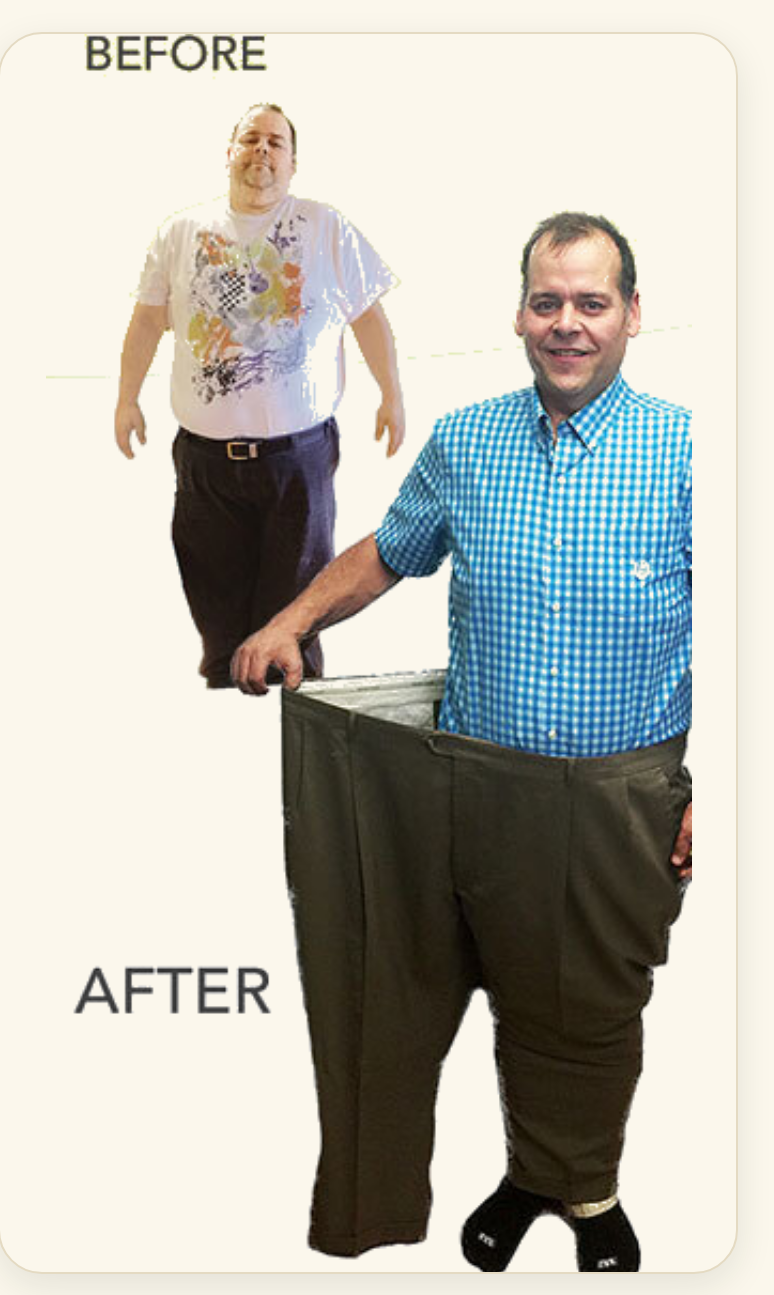
Keith is a chemist. He is 48. He spent years measuring things precisely for a living and could not get the one number that mattered to move.
By the time he called Palm Med Wellness (formerly MetTrimMD), his waist measured 61 inches and he was sleeping attached to a machine. That machine is the detail most people fix on when they hear his story — not the pounds. A CPAP works, and for many patients it is genuinely the right long-term answer. But it is also a nightly reminder that something underneath it has not been addressed.
Forty-nine weeks later Keith's waist measured 40 inches, he was 158 pounds lighter, and he was no longer using the machine.
Can losing weight cure sleep apnea?
Sometimes. More often it reduces severity substantially, and for some patients that's enough to change treatment. It is not guaranteed, and the honest answer has more parts than a headline allows.
Obstructive sleep apnea happens when the upper airway collapses during sleep. Excess soft tissue around the neck and throat makes that collapse more likely, and abdominal weight reduces lung volume in a way that makes the airway less stable overnight. Both improve as weight comes down.
Research consistently shows meaningful weight loss reduces apnea severity, and larger reductions in weight tend to produce larger reductions in severity. Some patients reach a point where they no longer meet the threshold for treatment. Others improve significantly and still need therapy. Which group a patient lands in depends on starting severity, airway anatomy, age and how much weight is lost — anatomy is not something weight loss changes.
The part that matters most
Do not stop using CPAP on your own.
Feeling better is not evidence that the apnea has resolved. Untreated obstructive sleep apnea carries real cardiovascular risk, and it is not something a patient can assess by how rested they feel. The only way to know is a repeat sleep study, read by the physician managing your apnea, after the weight loss.
If the study shows resolution, that's a decision your sleep physician makes with you. If it doesn't, continuing therapy while lighter and healthier is still a substantially better position than before.
One more thing worth planning for: weight regain can bring apnea back. Patients who come off therapy should have a plan for re-testing if weight returns.
What this means if you're on CPAP now
If you're carrying significant excess weight and using a machine every night, weight loss is worth pursuing on its own merits — cardiovascular, metabolic, joint. Whether it changes your apnea treatment is a question for a sleep study, not a promise anyone should make at a consultation.
Keith's plan was built for Keith. Our medical weight loss programme is fully individualised — coaching, medication, meals and exercise combined differently depending on what each patient needs — and it starts with a full evaluation by Dr. Mark Amorosino, who is board certified in obesity medicine. Book a consultation to talk through your own situation.
More patient stories: Amy — 78.5 pounds with a thyroid condition · Steve — 42 pounds and his golf swing back · All success stories
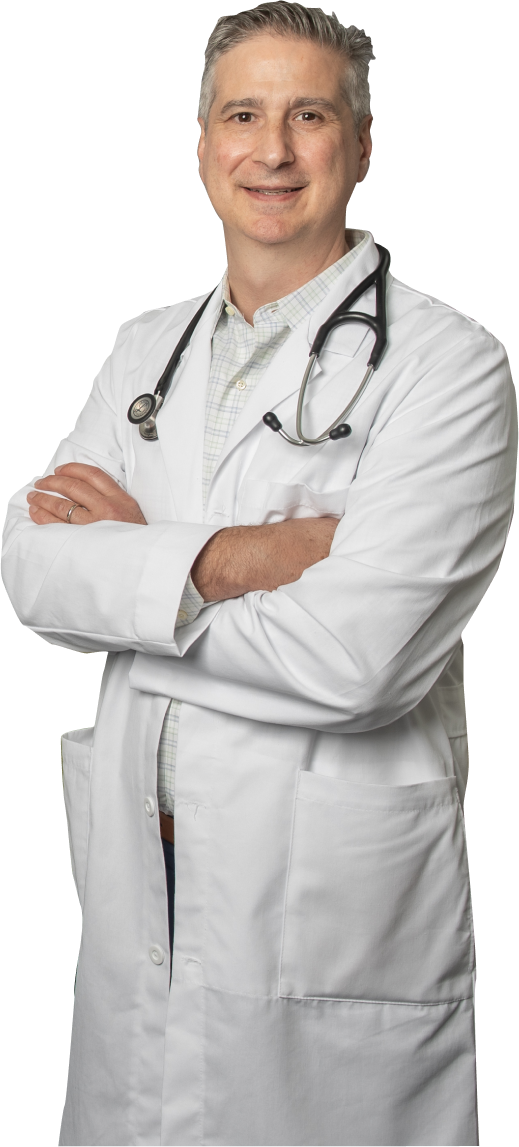
Dr. Mark Amorosino is the Medical Director of Palm Med Wellness and one of the nation’s leading experts in obesity medicine. He has helped thousands of patients achieve lasting weight loss results. His approach blends advanced medical expertise with compassionate, patient-centered care, giving you the confidence that your health is in the best hands. One of a few board-certified obesity medicine physicians in Palm Beach County.